
How to Choose the Right Bearing for Your Machine
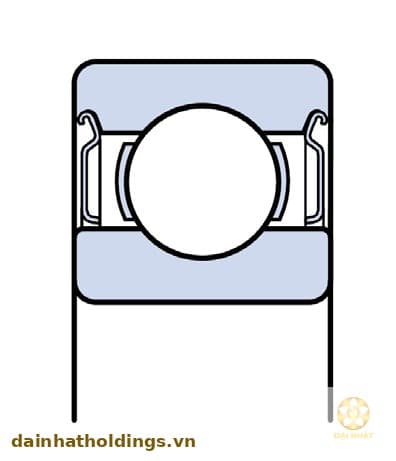
Dai Nhat Holdings Technical Team — Authorized distributor of ISB Industries industrial bearings in Vietnam.
Many maintenance teams still select bearings purely by matching an old part number, without re-checking the machine's actual current operating conditions. This carries risk: load may have changed, running speed may have increased over time, or the production environment may differ from installation. The result is premature failure and unplanned downtime — see "Premature Bearing Failure: 4 Common Causes and How to Prevent Them" on our News page.
To select the right type, confirm these four parameters before looking up a part number or placing an order — this is the same checklist the Dai Nhat Holdings technical team runs through with industrial customers before recommending a type.
Load. Radial (perpendicular to shaft) vs. axial/thrust (parallel to shaft). Some machines carry both — a lead screw in a press, for example. Misidentifying load type is a common cause of wrong bearing family selection.
Rotational speed. Higher speed demands tighter precision and better heat dissipation. High-speed (machine tool spindle) and low-speed (conveyor roller) applications typically don't share the same series.
Operating temperature. Standard bearing steel handles up to about 120°C; beyond that, special heat treatment is required (S0–S4 suffixes, rated 150°C to 350°C). Supporting materials have their own limits: common NBR seals top out around 80°C, common lithium-based grease around 130°C and starts losing service life noticeably from 70°C upward. Bearings near heat sources (drying ovens, plastic injection machines — typically 60-90°C) need all three limits checked, not just the bearing steel itself.
Working environment. Dust, moisture, and chemical exposure are the three most common environmental factors across Vietnam's steel, food processing, and construction machinery sectors — but each needs the right treatment, not one-size-fits-all. Light dust, high speed needed (industrial fans, electric motors): non-contact shields (Z/ZZ) — low friction, handle high speed, but leave a small gap so they don't fully block fine dust.
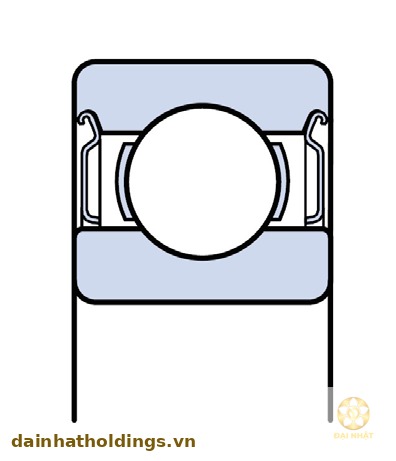
Heavy contamination (machining workshops with swarf, woodworking, cement): contact rubber seals (2RS/RS) — better sealing than Z/ZZ, at the cost of higher friction, so not suited to very high speeds. Moisture, water contact, mild chemicals (food processing, industrial washdown): switch to stainless steel (INOX) rings and balls — a material change, not just a seal change. Note stainless bearings carry lower loads than standard chrome-steel bearings of the same size. Strong chemical environments require confirming specific material compatibility before installation.
Quick reference: high speed with a clean or lightly dusty environment calls for Z/ZZ; heavy contamination with medium-low speed calls for 2RS/RS; moisture or water contact with mild chemicals calls for stainless steel INOX; needing both high speed and strong sealing calls for DDU (double lip and groove), made to order.
Summarise these four parameters into a short description before ordering, rather than sending only an old part number. Send it through the contact form — the Dai Nhat Holdings technical team, authorized distributor of ISB industrial bearings in Vietnam, will cross-reference and recommend a suitable type, even from another brand.